
What is Skin Picking?

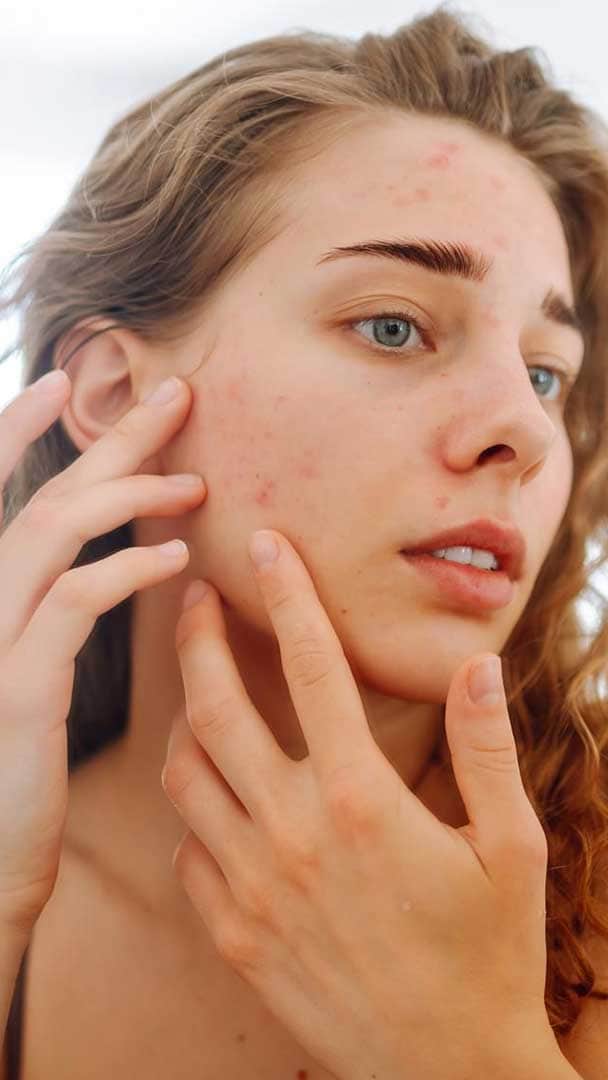
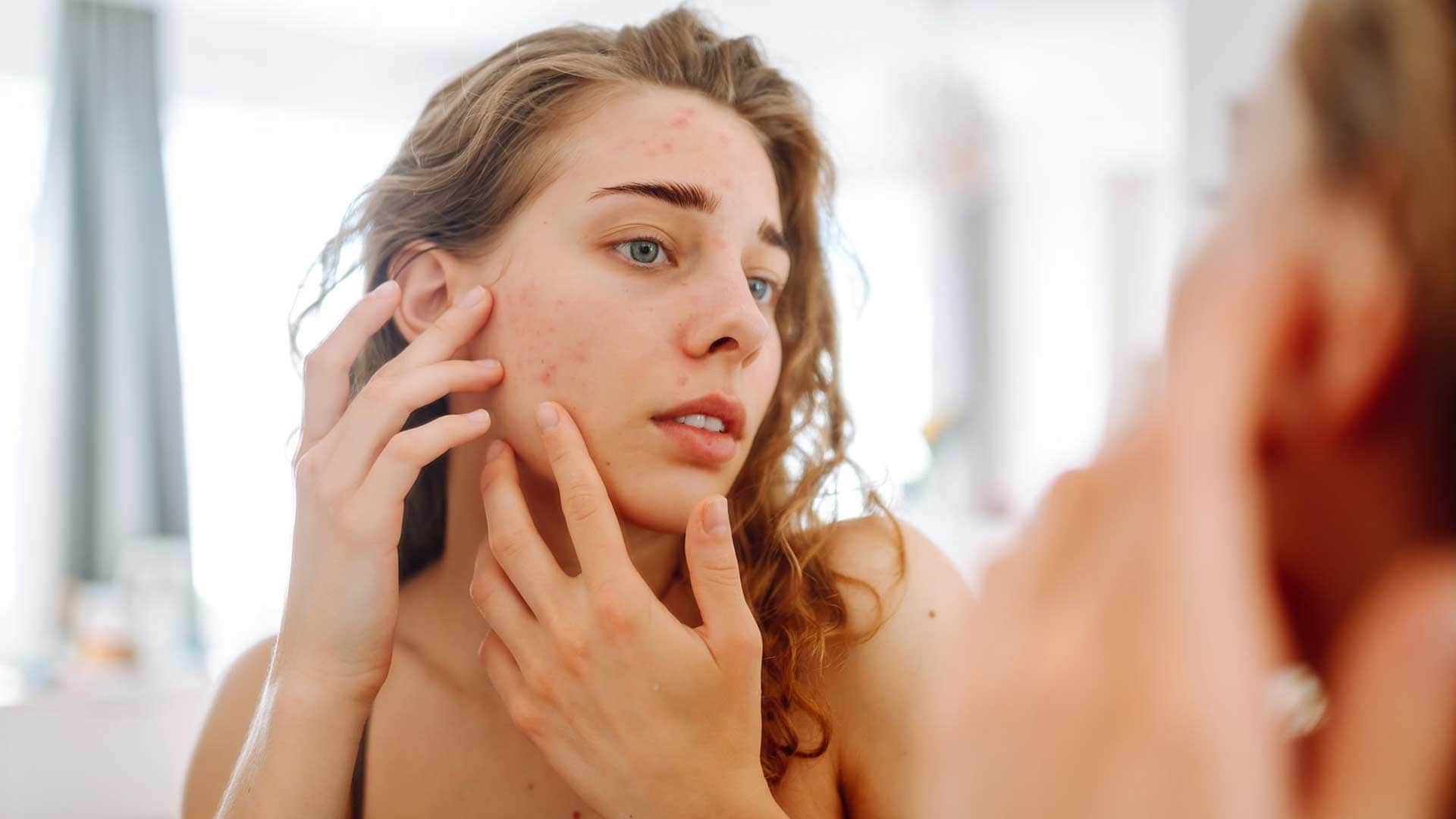
Skin picking is an automatic habit of picking, squeezing, or scratching the skin, often without a clear decision to start. The clinical names are dermatillomania and excoriation (skin-picking) disorder. Common cues include stress, boredom, concentration, and noticing a bump, scab, or mark.

The pick can do a short job: settle a feeling, or "fix" something you can see. Then shame arrives, and the next cue is easier to follow. This is not a moral failure. It is a learned loop. Willpower talks to the part of you that already agrees. The loop is often faster than that part.

This page is for picking skin. If the main behaviour is pulling hair, use the trichotillomania page. If the main behaviour is biting nails, use nail biting. If the main picture is obsessions and rituals, use OCD.

Symptoms and Signs

Behavioural signs commonly include:

  • Picking during screens, focus, or waiting, often without noticing
  • Time spent checking the skin in mirrors
  • Using tools (tweezers, pins) and hiding them
  • Avoiding swimming, short sleeves, or close lighting

Physical signs commonly include:

  • Sores, scabs, and marks in different stages of healing
  • Infection or scarring in picked areas
  • Common sites include the face, arms, hands, and shoulders, though any reachable area can be involved

See a GP or dermatologist first if there is infection, spreading wounds, or a skin condition that needs medical treatment.

How Hypnotherapy Helps

Sessions with Paul or Rebecca Smith start with a map of your cues, then guided relaxation and suggestion aimed at those situations. You stay aware throughout. The practical aim is a quieter automatic pull and a more available alternative when the cue arrives.

This is complementary to habit reversal training, CBT, and medical care. It is not a substitute. It does not replace dermatology for infection or scarring already present.

Norwest Wellbeing's own reported outcomes sit in a 75-85% range for many people within 2-5 sessions. That figure is clinic-reported, not a finding from a large skin-picking trial. Results vary.

The Evidence Base

Peer-reviewed evidence specifically on hypnosis for skin picking is limited. A 2017 systematic review of excoriation (skin-picking) disorder treatments noted that hypnosis has been proposed, and that no randomised trials of hypnosis for this condition had been undertaken (Lochner and Stein, 2017).

Habit reversal has stronger trial evidence. Teng, Woods and Twohig (2006) compared habit reversal with a wait-list in 25 adults with chronic skin picking. Habit reversal produced a greater decrease in picking at post-treatment and three-month follow-up. That is a behavioural finding, not a hypnosis finding.

Norwest Wellbeing's own reported outcomes sit in a 75-85% range for many people within 2-5 sessions. That figure is clinic-reported, not a research finding. Results vary. There is no verified official Australian statistic that 2-5% of people have dermatillomania, despite how often a precise percentage is repeated online.
Key Facts

Clinic-reported 75-85% improvement in 2-5 sessions

Complementary to habit reversal and medical care

Not a hair-pulling, nail-biting, or OCD page

Treatment Approach

Paul or Rebecca Smith. Clinic at Baulkham Hills, or Zoom Australia-wide.

  1. Assessment. Cues, what you have already tried, and whether hair pulling, nail biting, or OCD is the better page. If infection or spreading wounds are present, start with a GP.
  2. Sessions. Most people need 2-5. Later sessions review real situations and adjust the work.
  3. Between sessions. Notice the cue. Use the response you practised. A personalised audio is available at /hypnosis/skin-picking.

What to Expect

Most people need 2-5 sessions. You will get a realistic view after the first conversation. This is habit-level support, not a promise of complete cessation after one session, and not a substitute for medical care.

You stay aware throughout. Between sessions, the job is to notice the cue and use the response you practised. If home is not private, book in clinic.