PSYCH-K® facilitation for PSYCH-K® research and evidence
PSYCH-K® guides

PSYCH-K® research and evidence

What has been studied so far, what clients often notice, and how we talk about results with care.

You’ll work with Rebecca Smith

A PSYCH-K® Centre International Facilitator who guides every session personally.

In person or online

Visit us at Norwest Wellbeing, or meet on Zoom from anywhere in Australia.

If you are looking into PSYCH-K®, it helps to know what research is available. The main published study linked to the method looked at brainwave patterns after a balance and found a clear shift toward a more balanced “Whole-Brain State” in almost every participant. Alongside that, many people describe feeling clearer, lighter, or more aligned after sessions. We share both sides carefully, and we never promise a particular outcome.

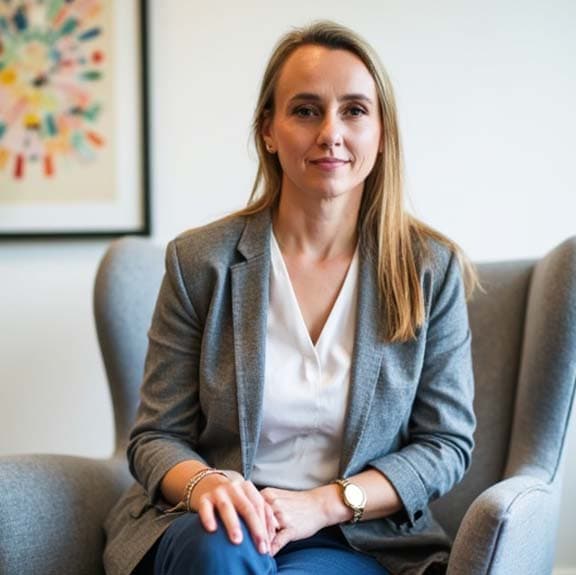
Headshot of Rebecca Smith

PSYCH-K® Centre International Facilitator

5.0(72 reviews)

Specialises in:

Advanced PSYCH-K® CertificationMaster Level FacilitatorHealth & Wellbeing Specialist

Rebecca uses PSYCH-K® to help you rapidly transform the subconscious beliefs that keep you stuck, creating breakthrough results in relationships, health, confidence, and life direction.

Rebecca's advanced PSYCH-K® certifications allow her to address complex belief patterns that traditional methods often struggle to shift effectively.

Whether you're ready to overcome limiting beliefs about money, relationships, health, or self-worth, Rebecca's PSYCH-K® sessions provide the tools for rapid, lasting transformation.

Contact the clinic and we'll secure your session.

What our clients say

10 June 2020
I had a wonderful and deceptively powerful experience. I experienced tangible results in terms of appetite and satiety. I feel hopeful that my body is now responding in a more normal way in terms of food and weight loss. This is a dramatic change for me and I am so thankful to Bec for the lovely way she delivers these gifts. Thank you.

PSYCH-K®

The Whole-Brain State study

Between 2009 and 2012, Jeffrey L. Fannin, PhD, and Rob Williams studied 125 people with brain mapping (qEEG) before and after a facilitated PSYCH-K® balance of about ten minutes. They reported that 98% showed a meaningful shift toward a bilateral, symmetrical pattern: the “Whole-Brain State” the method aims to create.

Versions of that work appeared in:

  • NeuroConnections (Fall 2011)
  • CQ: CAPA Quarterly (NSW counselling journal, 2012)
  • A business journal in 2012 (under the related PER-K® name)

In plain terms, the study suggests that a short balance can be followed by a measurable change in how the brain is firing. That is encouraging support for the state the method works with. It measured brain activity in that moment, rather than long-term life outcomes, so we describe it as brain-state research rather than a guarantee of results.

What people often notice

Beyond the lab findings, PSYCH-K® has been used worldwide for decades. Clients and facilitators commonly report shifts such as:

  • Feeling calmer or more settled after a session
  • A clearer sense of the beliefs that were getting in the way
  • More ease around a goal they came in with
  • Changes that keep unfolding over the days that follow

Everyone’s experience is different. Your goal, your participation, and the beliefs you choose to work with all shape what happens next. That is why we talk about sessions as a collaborative process, not a one-size promise.

The ideas behind the method

PSYCH-K® draws on the idea that both sides of the brain work best when they communicate well together. Classic split-brain research (Roger Sperry) sits in the background of that conversation. The method then adds practical processes (muscle testing and balances) designed to help a new, self-chosen belief settle more easily while you stay fully awake.

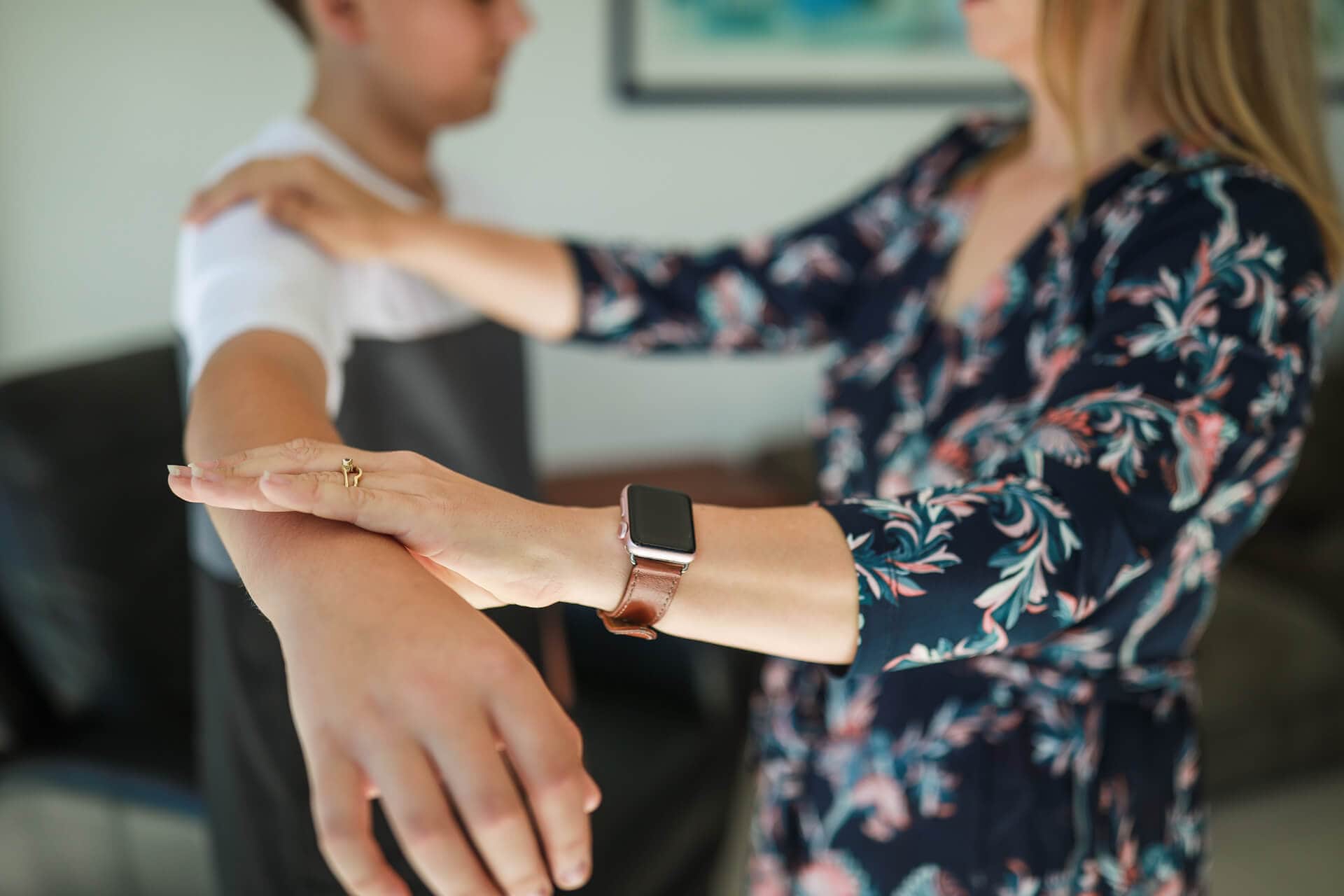
Muscle testing is used as a gentle yes/no signal in the room: a way for you and your facilitator to stay in conversation with the beliefs underneath everyday awareness. It is a tool of the method, not a medical test.

How we talk about results at Norwest Wellbeing

We want you to feel informed and respected. On this site we prefer clear, careful language:

  • “A study co-authored by the originator found a Whole-Brain State pattern after a balance…”
  • PSYCH-K® teaches that…” and “clients often report…”
  • No claim to treat or cure a medical or psychiatric condition, and no guaranteed outcome

That keeps the research in its proper place: useful context for a process many people find meaningful, without overstating what any single study can show.

Want the practical side next? How PSYCH-K® works · What a session is like · The story behind it

PSYCH-K® is not medical or psychological treatment. It complements professional care and never replaces it. No particular outcome is guaranteed; results depend on your goal and your participation.

Frequently Asked Questions

Is there research on PSYCH-K®?

Yes. The best-known published work is a brainwave (qEEG) study of 125 people. After a short PSYCH-K® balance, nearly all participants showed a more symmetrical “Whole-Brain State” pattern. That study measured brain activity. Broader stories of change come from clients and facilitators who have used the process over many years.

What did the brainwave study find?

Using qEEG before and after a facilitated PSYCH-K® balance of about ten minutes, researchers reported that nearly all of the 125 participants shifted toward a bilateral, symmetrical brainwave pattern. The study is often cited as support for the “Whole-Brain State” idea that sits at the heart of the method.

Why does PSYCH-K® use muscle testing?

Muscle testing is used as a simple yes/no communication tool during the session. It helps you and your facilitator notice which beliefs already feel congruent and which ones are ready to work with. It is part of how the process is taught, not a medical diagnostic test.

Updated 21st July 2026.